


.png?width=1920&height=1080&name=CRARS%2026%20Article%20Why%20are%20your%20climate%20risk%20assessments%20%26%20asset%20decisions%20flawed%20(9).png)
What does it take to move from being valued as a procurement expert to being trusted as a business leader?
Women hold 22 per cent of CEO roles across Australian employers, according to the Workplace Gender Equality Agency’s latest Gender Equality Scorecard. Forty-three per cent of managers are women, which suggests the early and middle rungs of the ladder are well populated and that the numbers thin out as roles become more senior.
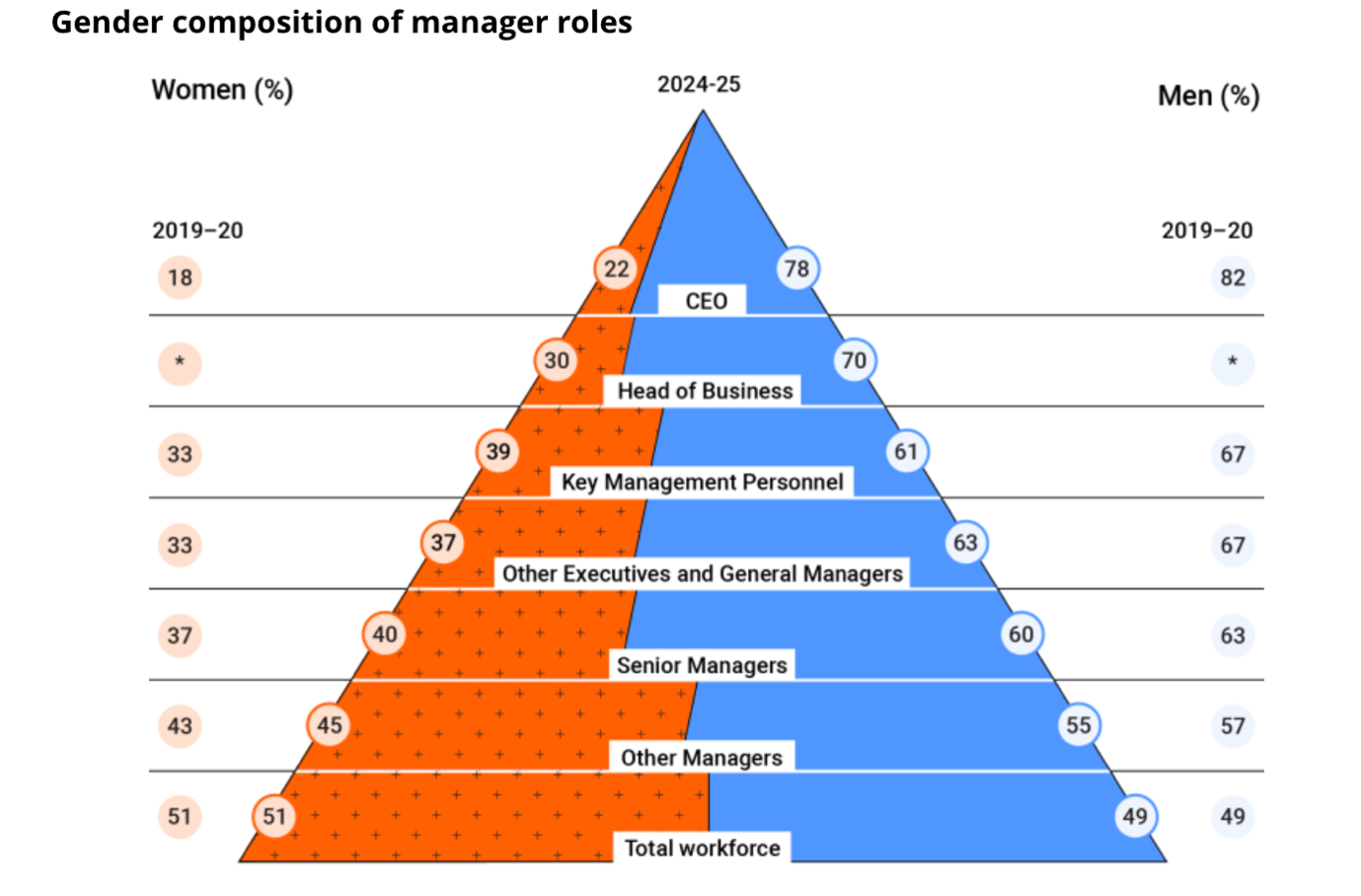
Procurement sits within that same pattern, where structural hurdles such as limited visibility with senior executives and a shortage of sponsors for female leaders combine with personal blind spots and gaps in the capabilities that lead to the top roles.
Quest Events spoke with Rebecca Hayward, Director, Global Procurement and Contracts at Fortescue, and Amanda Reid, Executive Director, Procurement & Supplier Governance at Colonial First State, to gain their insights ahead of the Women in Procurement Leadership Summit 2026.
Looking back over your career, what was a mistake or blind spot that slowed your progress in procurement, and what did you change to fix it?
Speaking candidly, Hayward says her blind spot was relationships, and not making time for them.
‘Early in my career I measured myself on output, how much I got through, how good it was and how fast I delivered. I was proud of that. But I treated relationships as something that would happen around the work, not as part of it. I rarely stopped to have the coffee, visit the site or meet a supplier if I didn’t have an ask.
‘If I’m honest, part of it was comfort. Delivering work was where I felt confident. Walking into a room of senior people I didn’t know, starting a conversation with a supplier’s CEO or putting myself forward for something unfamiliar felt much harder. So, I stayed busy with what I knew.
‘It took me a while to see what that cost me. In procurement, almost nothing you deliver is yours alone. You depend on the business trusting you enough to bring you in early, before the decision is made. You depend on suppliers who will pick up the phone in a crisis, bring you their best ideas and prioritise you when supply is tight. And your career depends on people who know you well enough to put your name forward when you’re not in the room.
‘You can’t build any of that in the moment you need it. Good work earns respect, but relationships turn it into influence. So, I changed two things. I set time aside for relationships with no immediate deliverable attached and started saying yes to the things that made me uncomfortable.’
For Reid, the lesson arrived after she stepped away from hands-on work.
‘When I first moved from an “on-the-tools” role into leadership, I spent almost five years away from negotiating major contracts myself. When I later needed to support C-suite negotiations, I realised how important it is for leaders to stay connected to the work. Whether it’s responding to COVID supply chain disruptions or negotiating new commercial models for AI, leadership credibility comes from keeping your skills relevant and understanding the challenges your teams face firsthand.’
Are there capabilities or skills that you see women in procurement underinvesting in, and how does that gap limit how far they can rise?
Reid believes the biggest opportunities exist outside the technical procurement skillset.
‘Many procurement professionals excel in sourcing and contracting. Where I see the biggest opportunity is in supplier and partnership management. The ability to influence strategic suppliers, navigate complex stakeholder relationships and create long-term value builds credibility well beyond procurement and positions you as a business leader, not just a procurement leader.’
Hayward begins with the numbers.
‘Procurement is full of capable women, and women make up close to half of those entering the profession. Yet only around a quarter of CPO roles globally are held by women, with representation falling further at the most senior levels.
‘Bias is part of the picture, but I also think we need to build, and make visible, deep operational and commercial experience: understanding what drives cost and margin, the business growth and where its real risks sit.
‘Women are often working in specialist roles that support decisions rather than own them. If you can speak only to the contract, you may be asked to deliver the contract. If you can connect it to the business case, you’re more likely to be part of shaping the decision.
‘The other capability is putting forward a clear point of view. Procurement sees across the business unit and its supply chain, but that perspective has little influence if we wait to be asked or hedge every recommendation.
‘I’d encourage women in procurement to spend time in the operation and seek roles with genuine commercial accountability, even when they feel like a stretch. That’s how you move from being valued as an expert to being trusted as a business leader.’
Who made the biggest difference to your progression, and how should a procurement professional go about finding someone who will speak up for her when she is not in the room?
Reid says one of the most valuable career accelerators sits with senior stakeholders outside your reporting line.
‘Your direct manager’s support is essential, but credibility grows exponentially when their peers also recognise your contribution. Consistently delivering value and building trust creates advocates who will speak for you when you’re not in the room.’
Hayward credits two CEOs with trusting her with the biggest career opportunities.
‘Two CEOs made the biggest difference to my progression. Each gave me a role I wasn’t sure I was ready for. Their confidence made me stretch, back myself and grow into the opportunity. Looking back, that was sponsorship: they put their reputation behind me and opened a door I might not have opened for myself.
‘A mentor helps you think through your next step. A sponsor speaks up for you when you’re not in the room. You can’t usually ask someone to do that; you earn their trust over time. Do good work, be clear about what you want to contribute, and let people see how you think, not just what you deliver.
‘Look for people who give honest feedback, follow through and are willing to back others. And don’t overlook your peers. When colleagues advocate for one another, they can create opportunities and change perceptions across an organisation.’
If a procurement professional had one year to change the direction of her career, which three things would you tell her to start doing?
Reid has three recommendations.
-
Learn a new category. One of the fastest ways to broaden your commercial perspective before changing roles.
-
Learn a new industry. Procurement skills are highly transferable, and diverse experiences make you a more adaptable and credible leader.
-
Embed AI into your daily work. Don’t wait for change to happen around you. Be the person who leads it, demonstrates its value and helps others adopt it.
Continue the conversation at the Women in Procurement Leadership Summit 2026!
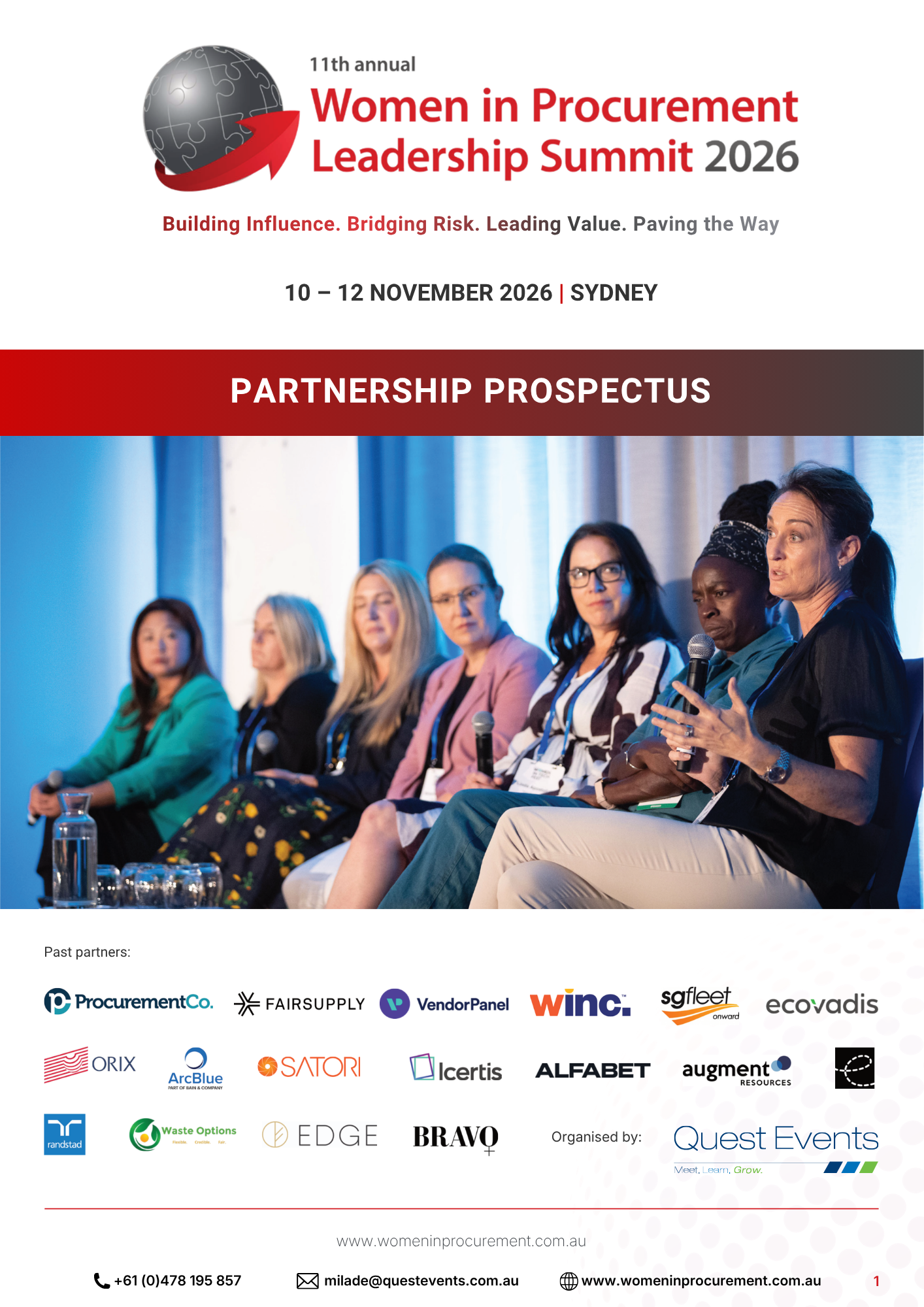
Join Rebecca Hayward, Amanda Reid and dozens of other thought-leaders in procurement at the Women in Procurement Leadership Summit 2026, 11th and 12th November at the Sydney Masonic Centre.
Download the Brochure
Gain more insight on what to expect at Women in Procurement Leadership Summit 2026